

Customs training
We offer training programs for companies on customs rules, regulatory changes, and good practices in international trade.
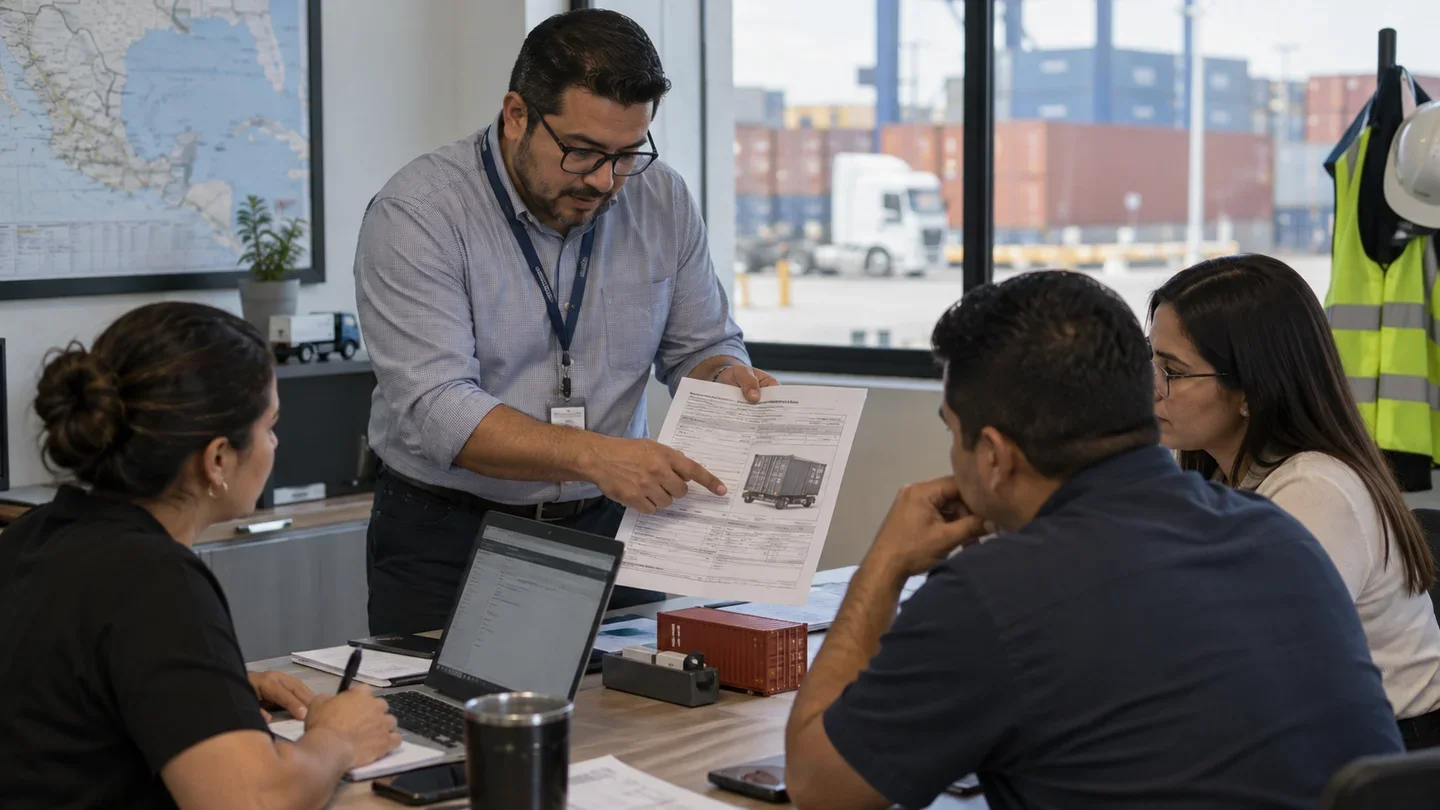
Learning from day-to-day operations
A training conversation starts with the people attending and the situations they face. Share examples from their day-to-day work to focus the topics and level of detail you need.
Topics connected to your team’s work
Purchasing staff may need a different focus from documentation teams. Describe participant roles and use examples from their work to discuss training content, level and priorities.
Points to focus the review
- Teams and number of participants
- Previous experience and topics of interest
- Learning objectives and availability
Frequently asked questions
What to prepare, what to confirm and how to start planning your shipment.
Which customs training topics help purchasing and logistics teams prepare imports?
Start with the records they use every day: pro forma invoices, invoices, packing lists and product specifications. Delivery responsibilities and communication with the broker are also useful topics. Share recurring errors or questions from your team to help define a practical training outline.
What do you need to propose customs training for my company?
Provide the participating teams, number of attendees, previous experience and objective. Add shipment examples, priority topics and availability. This helps shape the content, depth and format; the proposal should confirm duration, materials and scope before a session is scheduled.
Does training replace a review of a specific shipment?
No. Training helps teams understand records, responsibilities and review points. A specific shipment still needs its product, customs procedure and current requirements checked. Your company’s cases can provide learning context, but should be distinguished from clearance instructions for a live shipment.
What trade training suits a team starting to handle imports?
Start with their actual tasks: purchasing, checking documents, coordinating transport or following customs clearance. An introductory outline can use pro forma invoices, invoices, packing lists and each party’s responsibilities. Share the group’s background so the level can be adjusted and the course stays relevant.
Can customs training cover tariff classification?
You can request it as a priority topic. Product specifications from your business and the information purchasing teams need from suppliers provide useful material. The agreed scope should distinguish learning to prepare and review information from issuing a classification for a specific transaction.
Which company examples are useful for practical customs training?
Recurring team questions, incomplete documents, supplier changes and invoice or packing discrepancies are useful examples. Share cases without unnecessary confidential details and explain which decision was difficult. That helps shape a session around situations participants actually need to handle.
Your next step starts here.
Tell us what you need to import, export or resolve. Our team will review your inquiry and help you understand the next steps.
Customs training